

Septic tank issues are stressful, and it’s natural to wonder whether you can handle repairs yourself to save money. The short answer is that DIY septic tank repairs are rarely a good idea for most homeowners, and attempting them often leads to more problems than they solve.
Septic systems involve wastewater, pressurized components, and strict local regulations — mistakes can result in health hazards, environmental violations, and repair costs that far exceed what a licensed professional would have charged from the start. Martins Pumping Service has seen firsthand how well-intentioned DIY septic system repair attempts can turn minor issues into major failures.
Understanding why DIY septic repairs carry real risks can help you make a more informed decision before picking up a shovel or watching a tutorial video.
Key Takeaways
- DIY septic tank repairs pose serious health and safety risks that most homeowners are not equipped to manage
- What seems like a simple fix can quickly escalate into costly damage when septic systems are disturbed without proper knowledge
- Hiring a licensed professional is typically the safer and more cost-effective choice for any septic repair
- GET A FREE QUOTE TODAY!
Hidden Dangers of Attempting Septic Tank Repairs Yourself
DIY septic tank repairs expose homeowners to serious health risks, costly property damage, and long-term system failures that far outweigh any short-term savings.
Health and Safety Risks
Septic tanks produce toxic gases including hydrogen sulfide, methane, and carbon dioxide. These gases can cause unconsciousness or death within seconds of exposure in an enclosed or poorly ventilated space.
The waste inside a septic tank contains harmful bacteria and pathogens such as E. coli and salmonella. Direct contact without proper protective equipment can cause serious illness.
Key health risks of DIY septic repairs include:
- Toxic gas inhalation – hydrogen sulfide is odorless at high concentrations, giving no warning before it incapacitates
- Pathogen exposure – untreated sewage contact through skin, eyes, or accidental ingestion
- Physical injury – working around heavy tank lids and unstable ground without proper tools
- No emergency backup – professionals work in teams with safety equipment; solo homeowners do not
Potential for Property Damage
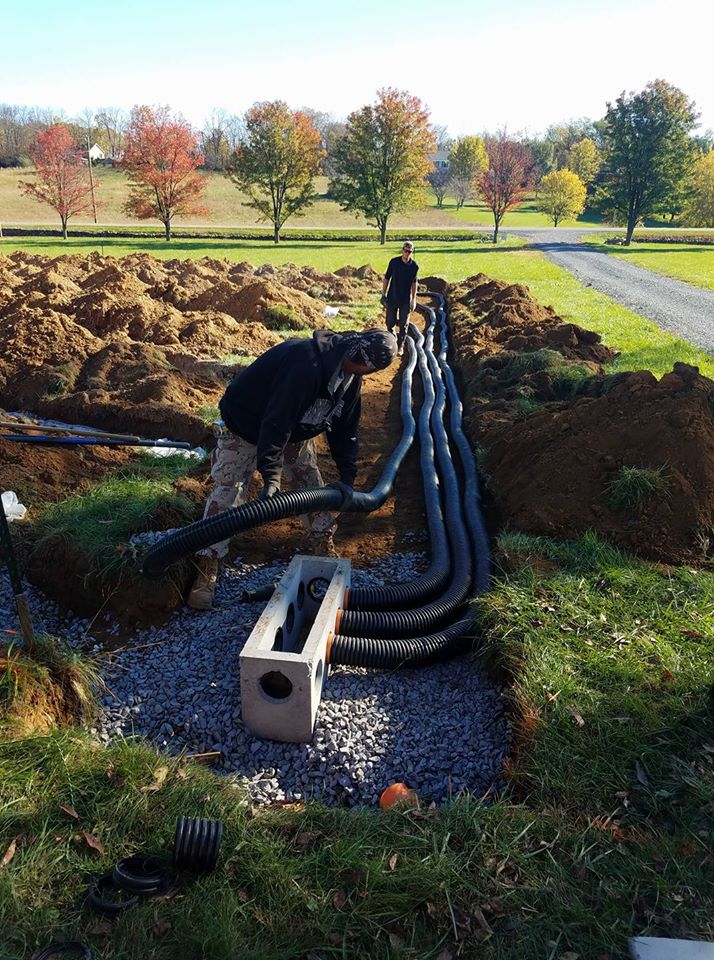
A mistake during a DIY repair can cause damage well beyond the original problem. Cracking a tank wall, puncturing a pipe, or disrupting the drain field can turn a minor repair into a full system replacement costing $5,000 to $30,000 or more.
Drain field damage is particularly serious. Once the drain field is saturated or compacted from improper digging, it often cannot be restored — it must be replaced entirely.
Other common property damage risks include:
- Sewage backup into the home through toilets and drains
- Yard contamination from waste surfacing above ground
- Foundation damage from soil erosion caused by leaking tanks
- Groundwater contamination that can affect neighboring properties
Compromising Septic System Functionality
Septic systems depend on a precise biological balance. Beneficial bacteria break down waste inside the tank, and disrupting this environment — even by using the wrong cleaning products — reduces the system’s ability to process waste effectively.
Improper repairs can also cause uneven waste distribution in the drain field, leading to premature failure. A system that appears to be working after a DIY fix may be silently failing underground.
Partial repairs rarely address the root cause. Without diagnostic equipment and training, homeowners often treat symptoms rather than the actual problem, which allows the underlying issue to worsen over time.
Long-Term Consequences and Costs of DIY Approaches
DIY septic tank repairs rarely save money in the long run. Botched fixes tend to void warranties, create legal exposure, and cause environmental damage that compounds over time.

Escalating Septic Repair Costs
A minor fix done incorrectly can turn into a major excavation job. For example, a DIY attempt to replace a distribution box that damages the drain field can push repair costs from a few hundred dollars into the $3,000–$15,000 range for drain field restoration or full system replacement.
Common ways DIY repairs escalate costs:
- Misdiagnosis – treating symptoms instead of the root cause means the problem returns
- Incorrect part installation – wrong fittings or pipe grades cause backups and structural failure
- Delayed professional intervention – the longer a failed DIY fix sits, the more damage spreads
- Soil contamination – saturated or damaged soil around the drain field often requires remediation before a new system can be installed
Professional septic repair costs more upfront, but it addresses the actual problem the first time.
Voided Warranties and Legal Implications
Most septic system components carry manufacturer warranties that require licensed installation and repair. A DIY repair can void those warranties entirely, leaving you responsible for the full replacement cost.
Beyond warranties, many states and counties require permits for septic system repairs, even minor ones.
Unpermitted work can result in:
- Fines from local health departments
- Required removal and replacement of unpermitted work
- Complications when selling your home — inspectors flag unpermitted septic work during real estate transactions
Some jurisdictions classify improper septic work as a public health violation, which carries its own penalties.
Environmental Impact of Improper Repairs
Septic systems contain pathogens, nitrates, and bacteria. A poorly executed repair can allow untreated wastewater to reach groundwater, nearby wells, or surface water.
Specific risks include:
- Nitrate contamination in drinking water wells, which is a documented health risk
- Bacterial runoff into ponds, streams, or wetlands
- Soil contamination that can persist for years even after the leak is fixed
Regulatory agencies take these violations seriously. Homeowners can face mandatory remediation orders and liability for contamination affecting neighboring properties.